
I’m always looking for new ways to teach my students better. In my years of teaching in classrooms, homes, on sets, and online, these are some of the concepts I’ve found to be most helpful in turning my students into lifelong learners.
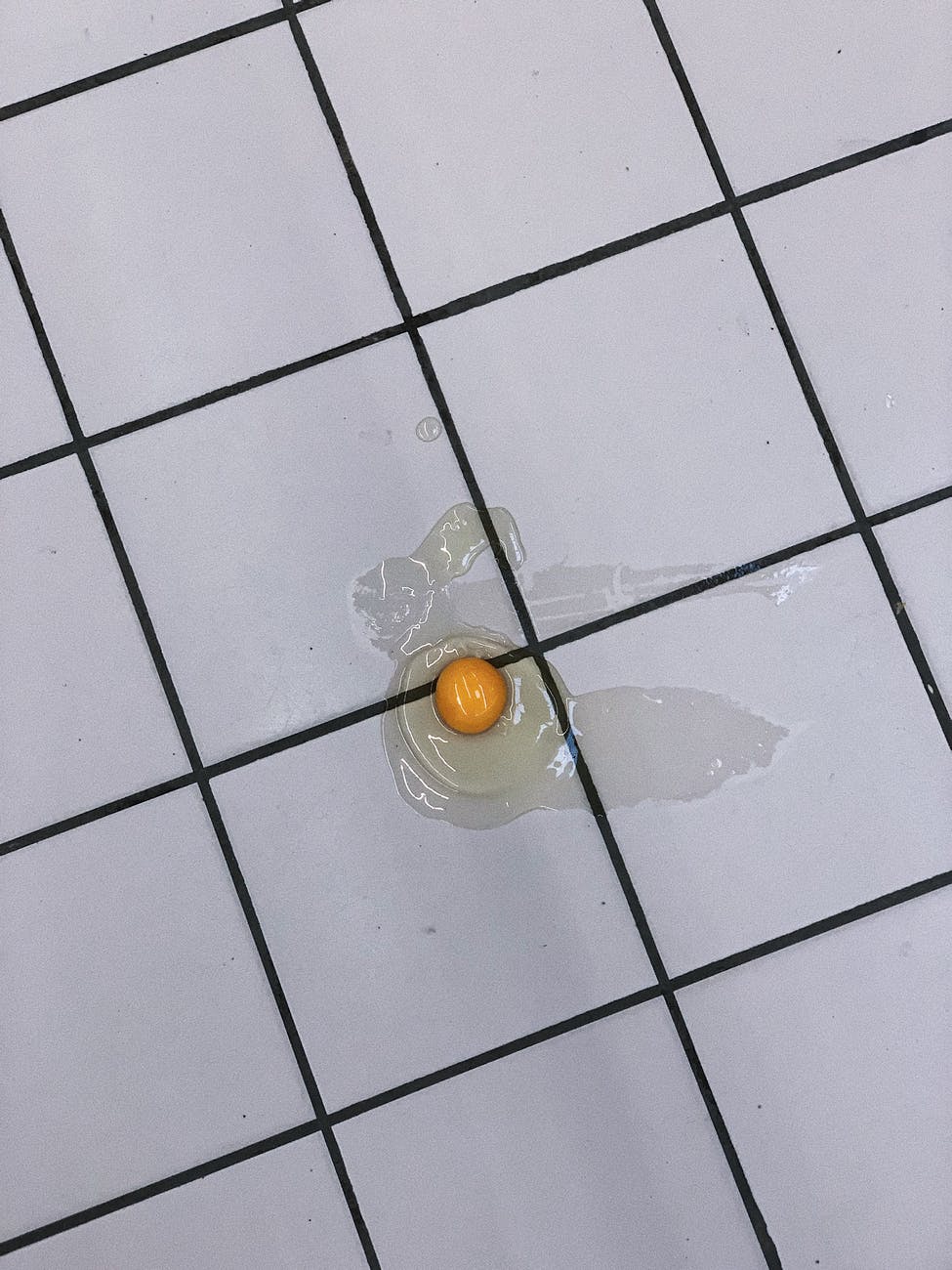
Experimentation and Failure
“Failure is always an option.” -Adam Savage, Mythbuster
Parents, educators, administrators, politicians…basically everyone with a stake in education wants students to succeed. But rushing into success is ironically not a very successful strategy. There is such a thing as failing well. Once an initial attempt to solve a problem or answer a question has failed, a student must be able to critique their attempt and craft a better, more informed attempt based on what that failure taught them.
Plus, a fear of failure stifles creative experimentation, both in teaching and in learning. If I don’t try something different with a student because I’m worried it might not work, how will I ever develop new teaching techniques? And if a student isn’t allowed to try new ways to solve problems and answer questions, how will they ever develop the tools to think creatively for themselves?
So students must be allowed to fail in large and small ways, especially when reaching beyond their current capabilities. It’s okay to be wrong. It’s okay to throw out a wild idea. It’s okay to try something without knowing beforehand if it will work out. Sherlock Holmes says, “When you have eliminated the impossible, whatever remains, however improbable, must be the truth.” But you’ve got to find out what’s impossible first.

The Need to Know
“Will this be on the test?” –Every student in the history of school
Especially in science and math, the question of “why we need to know this” comes up frequently. The simple fact is that we as humans just don’t learn or recall facts or information that we don’t need to know. I can still rattle off the home phone numbers of my friends from when I was a kid without knowing any of my current friends’ phone numbers off the top of my head. This isn’t because I’m somehow less intelligent now than when I was 10 years old. It’s because phone numbers are information that I now keep in my phone, not in my brain.
The human brain is remarkably adept at removing information it no longer needs. So as educators, we must ask ourselves about every piece of information we are trying to teach our students: do we want them to remember this for the quiz next week, or do we want them to use this information for the rest of their lives? If the answer is the latter, then we must be able to give our students a reason to remember the concept or skill that we’re teaching them.
If we can create a connection between the content we expect students to learn and their own lives, we increase the chances that they will actually learn what we’re teaching them: not because it’s on the test, but because it means something to them.

Personal Connection
“Who is that man, Smithers?” -C. Montgomery Burns
Nearly all teachers will tell you that each student you add to a class marginally decreases their efficacy as educators. The more students you’re expected to keep track of, the easier it is for individual students to get overlooked. Imagine you had to meet 150 people, get to know their parents, understand their strengths and weaknesses in detail, and tailor each of your interactions with them to play to those strengths and minimize those weaknesses. Congratulations, you’re a teacher!
Teachers are more effective if they develop a connection with their students, and students learn more if they develop a connection with their teacher. I’m not talking about a friendship. As I say to my students, “The difference between me and your friends is that your friends won’t tell your parents if you get in trouble.” A healthy relationship between teacher and student is more like that of a parent and a child: there is mutual love and respect, but I’m the one in charge and yes, you still have to do what I say.
As a tutor, my first job is to build a relationship with a new student. If I don’t know who they are or understand how they think, I will be far less effective as an educator. And if they don’t have some understanding of me, they will never accept me as someone worth their attention.
This isn’t an exhaustive list, of course. There is so much more to building an effective teaching practice than I could tell you here. If you’re interested in learning more about how I tailor my instruction, feel free to contact me.
 Matthew J Williams, Educator